
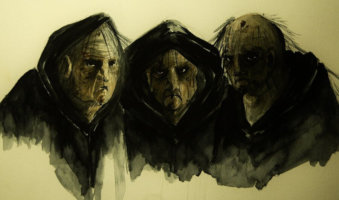
“Don’t tell them, SHOW them.”
Last week, as an interesting experiment (interesting to me as much as to anyone else), I set my two KS4 classes the same question, to see how they fared with a little competition.
“Don’t tell them, SHOW them.”
Last week, as an interesting experiment (interesting to me as much as to anyone else), I set my two KS4 classes the same question, to see how they fared with a little competition.

Somewhere, in the cold infinity of the internet, a voice asks if they will get as much from reading a ‘No Fear‘ version of Hamlet as they would from reading the original …
My ears prick up, and I swing round and take aim.
Continue reading “Beethoven’s 5th, scored for (solo) Recorder”
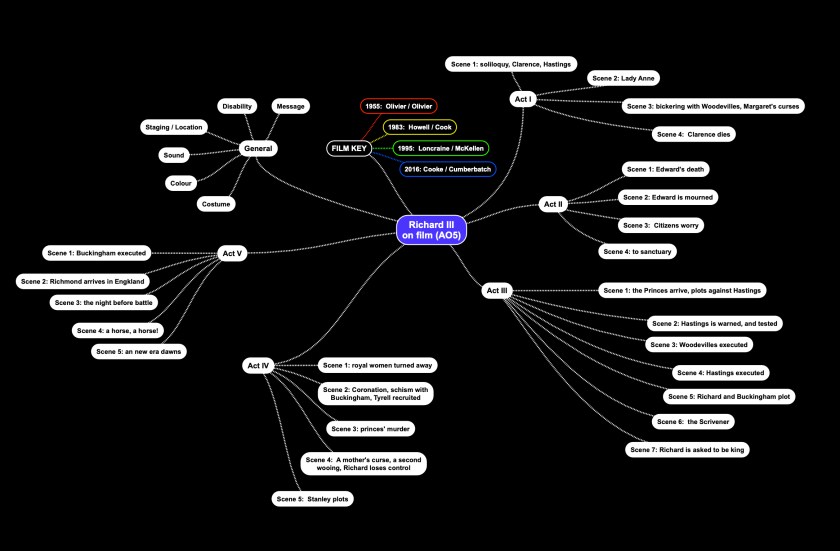
Welcome to my next stupidly ambitious project …
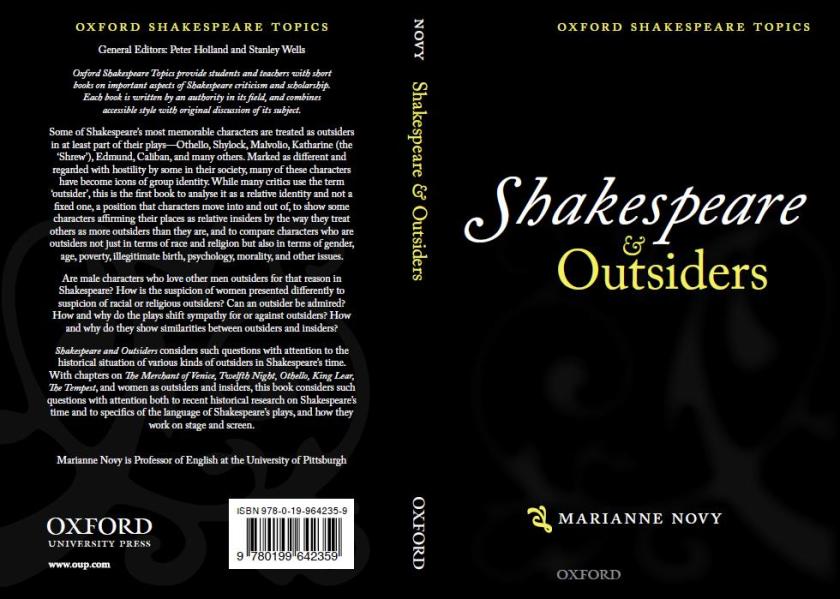
Only a short book, yet once I’d understood its central premise, it felt too long.
Far too long.
Continue reading “Book Review: Marianne Novy’s Shakespeare & Outsiders”
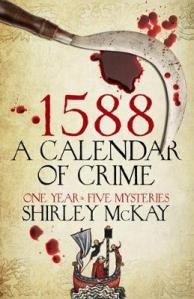
As we hit mid-March, and I hit 25 books (about half of which have, unusually, been historical fiction set in the Tudor period), this is my favourite read of 2019 so far.
Continue reading “Book Review: Shirley Mckay’s 1588 – A Calendar of Crime”
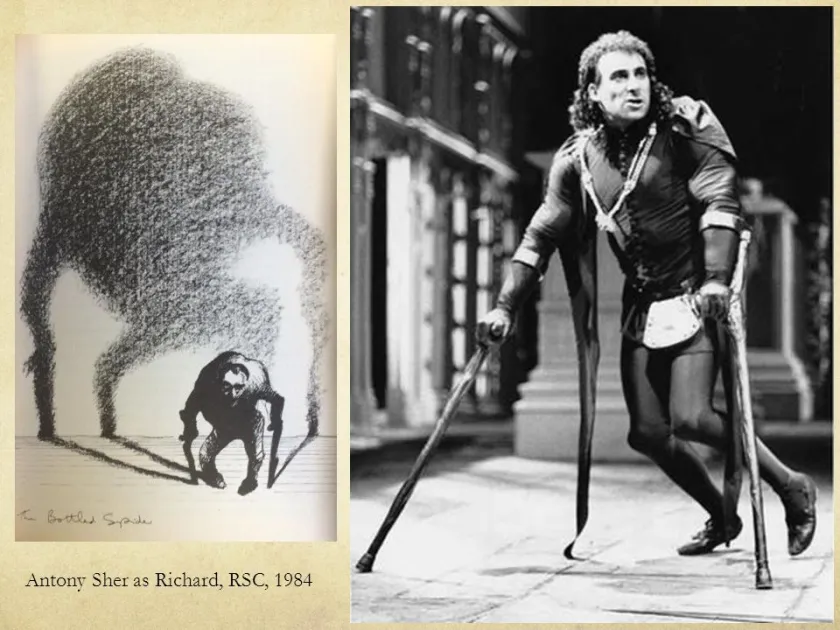
It’s nearly a year (where has the time gone?) since I last picked up a book and decided I’d love to get down the pub for a session with the author (and bear in mind I’m still not drinking: day 70 today). Imagine me, Anthony Sher and Michael Bogadanov setting the Shakespearean world to rights over a few scoops …
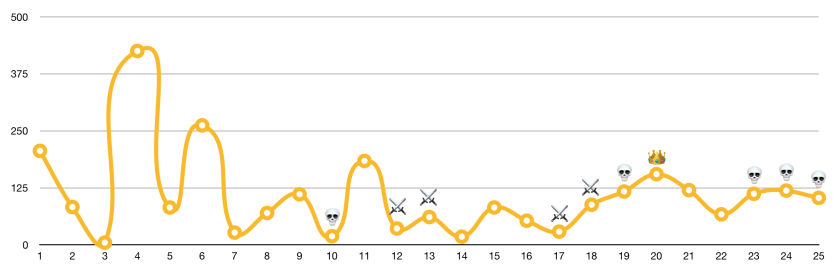
A Level pre-Easter mock assessments next week, and it struck me that amongst all the resources I had curated or created for my students, we didn’t have a decent synopsis of Edward II, for those who can never quite remember the story, or what happens when.
I had a train journey in front of me. What else could/would I do?
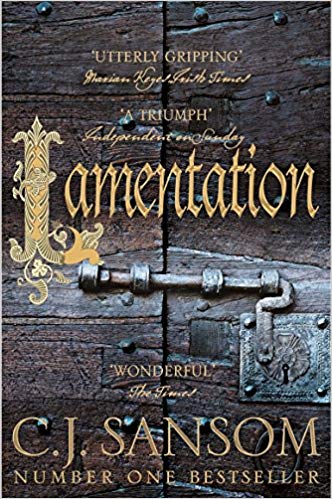
If last year was one in which I read hardly any fiction, then 2019 is one in which I’ve gone the opposite way, making a point to explore some of the popular Tudor historical fiction byways …
At some stage I might even produce a comparative guide, but for the moment here’s a review of ‘Lamentation‘, sixth instalment of CJ Sansom‘s ‘Shardlake’ series.
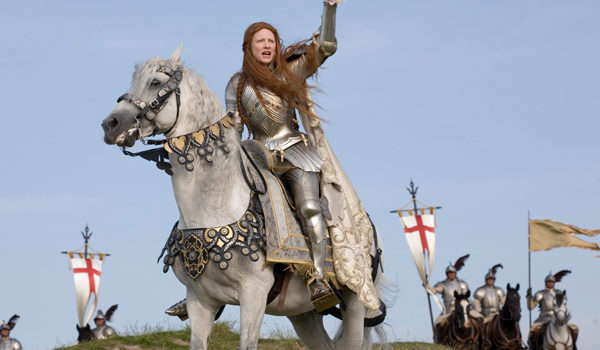
Elizabeth I looms in the background of Shakespeare’s early-to-mid work like the spectre at the feast.
It isn’t solely the question of censorship: she is, I think, the yardstick for every depiction of monarchy, leadership or indeed of strong women. Remember, too, that after a frantic period when the monarch (and ruling religion) changed every few years, she assumed the throne before Shakespeare was born, and was perhaps one of the few constants in that dangerous, fluid age, until she died in 1603.
She was also a real anachronism – a woman ruler in an incredibly patriarchal society. But was she a feminist? Should she be regarded as a feminist icon now?
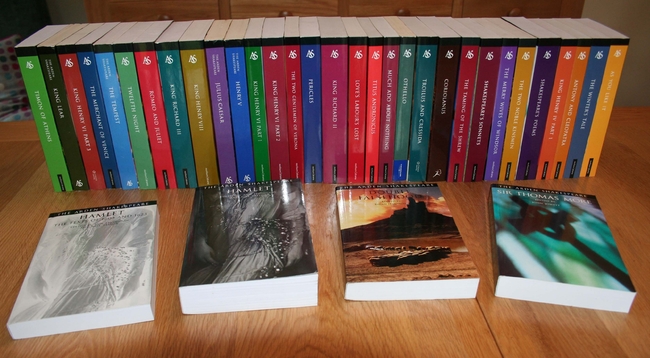
Not quite as frugal as October 2018‘s haul, sadly, but on the whole equally satisfying.
 The Boar's Head, Eastcheap