Ponytail Shakespeare: The Two Gentlemen of Verona, Act III.
Like so many of Shakespeare’s villains (and here perhaps I have Iago uppermost in mind) Proteus is a decent dissimulator, and Act III begins with his breathless betrayal of his best friend.
My gut reaction deserted me a little for this one, perhaps because of the subject matter, so I found myself consulting both my girlfriend and my best friend, the latter also an English teacher. Second and third opinions corroborating my initial intake of breath, and therefore I am pleased to present you my latest Crimes Against Shakespeare Award …
Alan Futerfas: because being pictured with an enormous phallic symbol sends a powerful message to the world about you …
Please, pretty please, Mr Futerfas, leave Shakespeare out of things – it doesn’t lend you any gravitas: ‘they’ will NOT, in the words of Cole Porter, “all kow-tow” …
In fact, some might be tempted to suggest you are over-compensating, and use Curtis‘ words to Grumio in The Taming of the Shrew:
… as The Bossmight remark. A guy who, perhaps appositely in the light of this post, I admire for his authenticity as much as his music.
The Taming of the Shrew: Act III
By now, I wonder if anyone is who they say they are in this play. Poor old Christopher Sly‘s been conned into thinking he’s a Lord with a young, beautiful wife, remember: and that was BEFOREthe play properly started … When I see the Stage Direction:
“Enter LUCENTIO [as Cambio], HORTENSIO [as Licio] and BIANCA”
(who I suspect is not as pure, dutiful, or even as nice as she seems), my heart sinks a little.
It’s been a while since I expressed some mild distaste at the prank played on the admittedly unsympathetic Christopher Sly at the beginning of this play.
(the reading continues to schedule, by the way, but I can see myself having to catch up on the act-by-act commentaries over the summer holidays)
Doing a bit of research – perhaps on the back of my reluctance to engage with the comedies, I found that the play has plenty of detractors, but I’ve seen it once – several years ago, at the Cambridge Shakespeare Festival – and enjoyed the performance.The casting certainly seemed to back up Robert Atkins’ views:
Something for your dog to ponder as you leave him outside tomorrow
[SPOILER ALERT] There’s a UK General Election taking place tomorrow …
Setting aside my own lefty, ‘soft’ eco-warrior credentials, and using mostly contextual information or material from the plays (because, as Bill Bryson gently reminds us over the course of 200-odd pages, we know next to nothing about the man) I thought it would be fun to see how Shakespeare might have voted.
And, regardless of my – or your – political beliefs, for the love of God, please VOTE tomorrow, if you’re entitled to. Never mind the hackneyed cliché: ‘people died so you could‘ argument – you have absolutely no right to complain about what happens over the next 5 years if you didn’t even make the smallest effort to effect a change …
Anyway, I visited isidewith, and tried to answer the questions as someone who died 401 years ago … here’s a selection of the conundrums I was faced with, plus the (firmly tongue-in-cheek) result …
A multiple choice question for the adults. Or for my students, who sat their Shakespeare exam on Monday just gone. You sit an exam where you have a choice of two questions. One question appears to make no sense. Do you:
Our Y11 (15/16 year old) students have the first of their English Literature GCSE exams on Monday …
This is the last year, at my school, when we will (effectively) have autonomy over the texts we teach. Next year, we will only offer MacbethorRomeo and Juliet at GCSE. It sounds like a retrograde move, but what it does ensure – I suppose – is that we have teachers, multiple, who can deliver the texts, both in the classroom and – importantly, considering I am in school today (Sunday) – in revision sessions. I am largely in school today because I’m the only one who can do The Tempest … nobody’s fault but mine, as Led Zeppelin might say.
If there’s any small consolation to spending your half-term marking, it’s the occasional gem in your books. Hence my decision to award ‘Golden Dogberries‘ for ‘extraordinary’ student responses …
How do you get a bunch of giddy Year 8s to do some ‘proper’ contextual research for HW, rather than just ripping stuff off Wikipedia, printing it without actually reading it?

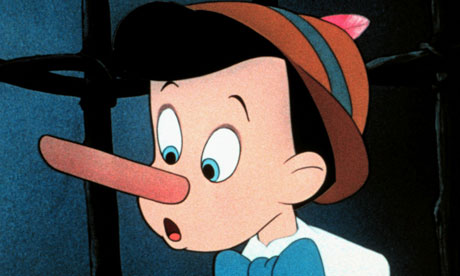


 Or just a brilliant disguise?



 If there’s any small consolation to spending your half-term marking, it’s the occasional gem in your books. Hence my decision to award ‘
 The Boar's Head, Eastcheap