
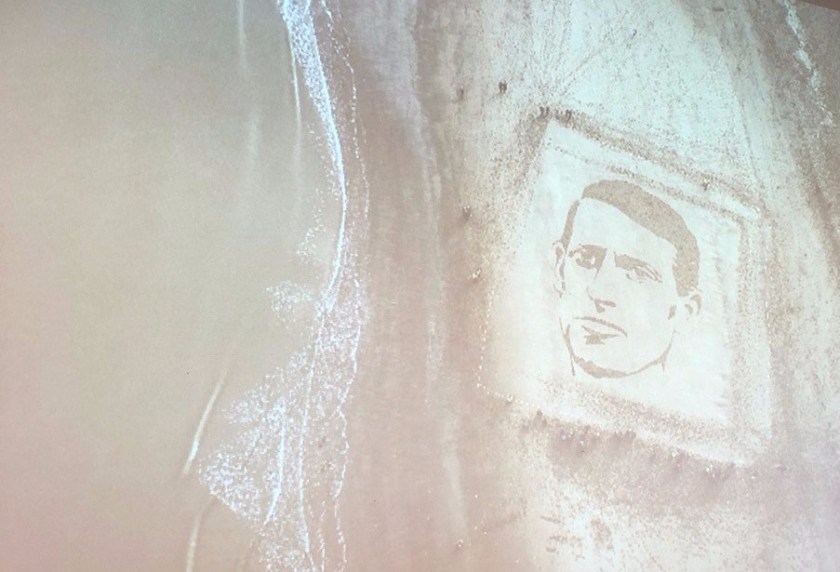
Fittingly for the 100th anniversary, today was the most affecting Remembrance event I’ve been to.
Fittingly for the 100th anniversary, today was the most affecting Remembrance event I’ve been to.
It’s no wonder we love soliloquy …

Regular visitors know that I teach Richard III and Edward II at A Level – coincidentally, plays which seem to have appeared within months of each other, in or around 1592. Marlowe doesn’t get discussed much in the circles I move in online, and Edward II often feels even more overlooked – so when someone wanted to talk about the differences between Kit and Will on /r/shakespeare (after watching a performance of Tamburlaine), I couldn’t resist diving in. Here’s an edited extract of what I said:
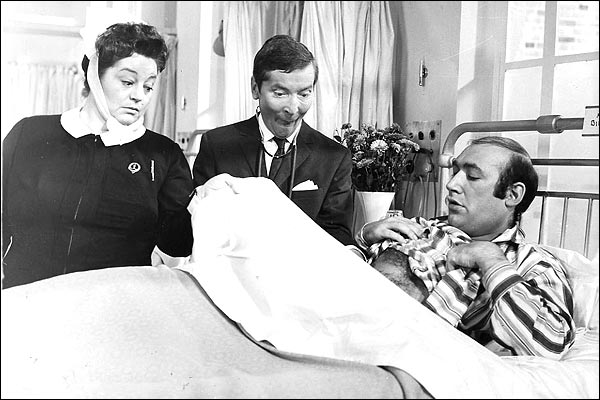
PTS read-through: Romeo and Juliet: Act 1, scenes iii and iv
Why is R&J funnier than Love’s Labour’s Lost, or the Comedy of Errors?
Whilst Jonathan Bate tells us that Shakespeare:
borrowed certain techniques of dramatic cross-dressing and comic overhearing from John Lyly [a]
the spine of the comedy here is firmly character-driven, by Juliet’s Nurse and Mercutio. That’s why …
Continue reading “PTS 12/074: Carry on, Nurse (and Mercutio) …”
At 18, students ought to be able to handle History plays, but the exam boards don’t seem to like them?
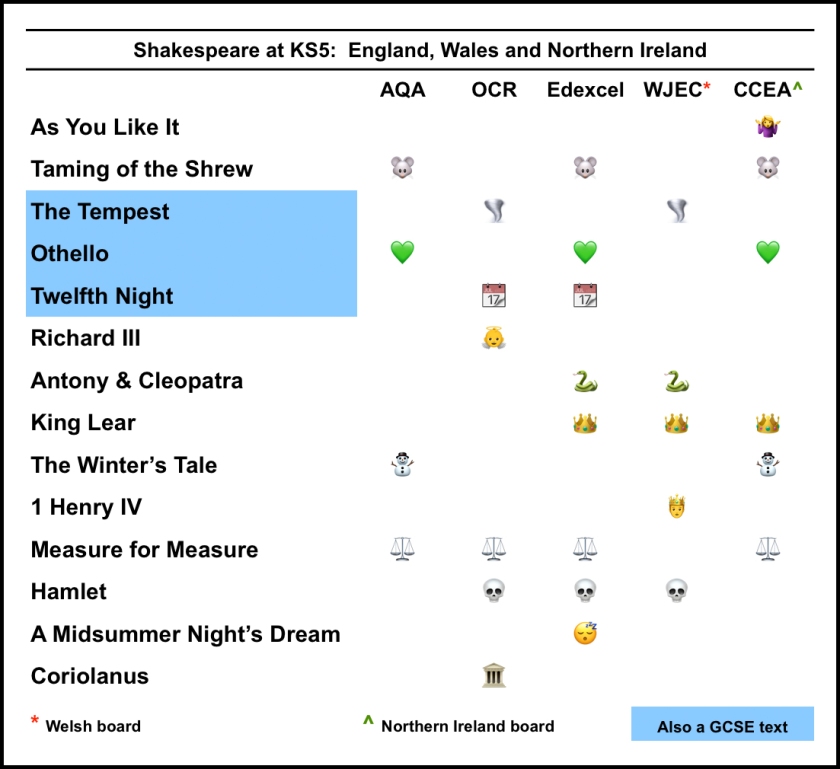
Following my recent KS4 post, I extended my research to A Level – that is the exams taken by 18-year olds before they hit university. Again, I’d love to hear from students or teachers, especially in other countries. Here are a few thoughts of my own:
For too many of the 600,000 students who sit that GCSE, it’s their final taste of Shakespeare …
 Shakespeare is the only author that everyone over here has to study. Unless, it appears, you live in Scotland (and someone might be able to correct me on that if I have misread the SQA specification) …
‘For divers unknown reasons‘ as Richard III would say, I’ve been engaged in a little research of what our exam boards offer at Key Stage 4 – that is for the 15/16 year-olds who sit their GCSE English Literature. I think it throws up some interesting points:
Richard III is fooling very few of us with his inclusive pronouns …

I’ve had to take a week out, basically, through pressures of work. It could easily have extended into a fortnight, but to paraphrase Lord Foul – the Sauron-style character in Stephen Donaldon‘s Chronicles of Thomas Covenant – I am ‘stubborn yet’.
So, where were we?
Know when to fold em …

PTS read-through: Richard II, Act III (part 2)
(in which Richard shows what a crap poker player he would have made)
An important lesson for students: it is OK to disagree with a critical view – in fact OK to disagree with ME and my ideas. As long as you can argue your opposition to a stance or point of view. I’m about to take issue with Germaine Greer …

Mistrust might be too strong a word, but there was always a youthful rebellious streak in me (Catholic-educated in what was at the time a pretty Catholic town), pushing against what I increasingly viewed as the bastard child of The Party in Orwell‘s Nineteen Eighty-Four and a medieval Ponzi scheme. The Catholic hierarchy increasingly personified notions of hypocritical middle-men, ‘eternal life’ assurance brokers, gatekeepers against the hereafter who would feed on the poor, vulnerable and frightened, whilst actually allowing anyone through, if the price was right.
Finally, I officially ‘fell out’ with God in a completely predictable spat – over bureacracy, not the Bible; red tape, not redemption; compliance, not communion …
Nothing compares to WHO?

Today marks two year since Prince died. It’s not that long ago that I confessed that his was one of the very few celebrity deaths that have personally touched me. Step aside, Princess Diana! People have got tired of me saying he was the ‘effing Mozart of his age‘, I think.
This weekend is a busy one – or should be. One of my favourite watering holes, Beerwolf, are hosting a live music tribute on Sunday afternoon, marvellously entitled ‘Prince you’ve been gone‘. I suspect this might put a dent in my Sixth Form marking – sorry, people.
Whilst there’s an argument to be made that Shakespeare himself was a multi-faceted genius, you know me by now: I started thinking about who the Shakespearean ‘Prince’ might be. These were my criteria …
For God’s sake, let us sit upon the ground, and tell sad stories of the death of kings …

PTS read-through: Richard II, act III (part ONE)
Witnessing the utter disintegration of a human being – even a fictional one – is, I’d suggest, an uneasy, distressing experience. And yet …
Voyeuristic shame accompanies the compulsion to keep spectating what is usually such a private affair. My first experience of this type of slow-mo car-crash literature was Hardy’s The Mayor of Casterbridge, when I was about 12. It scarred me – I’ve never quite been able to revisit Michael Henchard’s self-induced immolation; it also, I think, gave me my first seductive bittersweet taste of tragedy. Like that initial stolen underage drink, whilst I wasn’t quite sure I liked it, I wanted another – just to be certain.
Richard’s collapse is the most devastatingly beautiful in Shakespeare, perhaps in the wider canon: it begins here, spanning three poignant acts.
Continue reading “PTS 11/066: Alas, poor Richard …”
 The Boar's Head, Eastcheap